

Happy 2024! A new year brings with it new possibilities, like the opportunity to reduce crash fatalities on our roadways. According to the 2023 NJ State Police Fatal Crash Statistics 172 pedestrians and 23 cyclists were killed on New Jersey’s roadways last year. That means 195 families were left with at least one empty seat at their holiday gatherings due to these preventable deaths.
The New Jersey Safe Passing law, also called Oscar’s Law after Oscar Zanoni, a 44 year old Metuchen resident that was fatally killed by a tractor trailer on Rt. 27 in Edison, went into effect on March 1, 2022. The law aims to prevent injuries and fatalities caused by motor vehicle crashes with bicyclists, pedestrians, and other road users. This year, we are asking all motorists to help keep everyone safe by following these common sense rules:
- Drivers must move over a lane (if there’s one to move into) while following all current no-passing and no speeding laws.
- On a single-lane road, drivers must provide a distance of at least 4 feet to safely pass a vulnerable road user.
- If 4 feet is not possible, drivers must slow to 25 mph and be prepared to stop until they can pass safely without endangering those sharing the road.
Drivers who are caught violating the law will receive a $100 fine (causing bodily injury results in a $500 fine and 2 motor vehicle points).
You can hear the story of how the NJ Safe Passing law was implemented, by checking out our Mobility Matters podcast interview with Metuchen Borough Council President, Jason Delia.
Together we can make 2024 the safest year ever for pedestrians, cyclists, and all road users!
Additional resource and information about the NJ Safe Passing Law can be found at the following links:
Metuchen Man’s Death Spurs Pedestrian Safety Legislation
 Check the weather. Leading up to and a few hours before your hike, check the weather. The weather, especially this time of year, isn’t always predictable. It’s better to be aware and prepared instead of being surprised while on your hike.
 The World Day of Remembrance for Road Traffic Victims (WDR) is commemorated on the third Sunday of November each year.
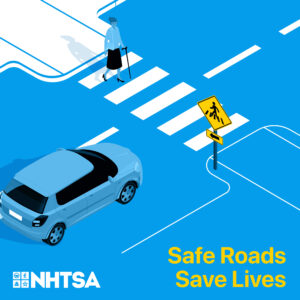 More than 6 in 10 people walk for transportation, exercise, relaxation, or other activities. The benefits of walking extend beyond personal and physical, to environmental benefits that can lead to healthier, quieter, cleaner, and safer streets. Walking can also improve local economies and enhance social and community engagement, leading to more vibrant, resilient, and livable spaces.
 Remote work, hybrid schedules, and flexible office hours are becoming standard practices in the workplace. Each can be unique to the office environment or industry. To help ensure success across your organization, let’s start with the basics:
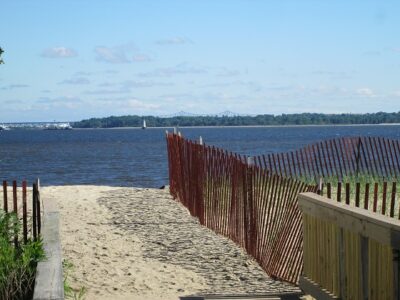 Week 4 Relaxation Week
  Week 3 Family Outing Week
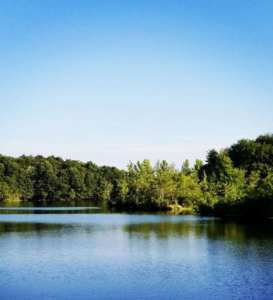 Week 2 Nature Week
 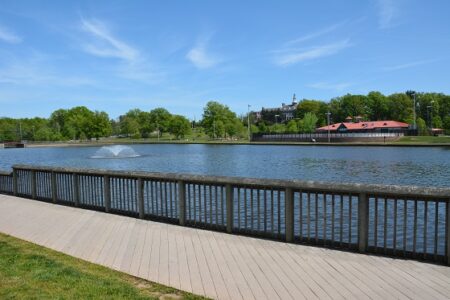 Walking helps sharpen brains, boost moods, strengthen bones, and enhance circulation, and maintain and lose weight. Several of Middlesex County’s parks have installed fitness stations and trails.